Creating a home office that is both cozy and productive can make a significant difference in your daily work routine. Whether you are working remotely full-time or need a dedicated space for occasional tasks, the right environment helps you stay focused and comfortable. Below are several tips to help you design a home office that inspires creativity and efficiency without sacrificing warmth and relaxation.
Choose the Right Location
Finding the perfect spot for your home office is the first step in setting up a successful workspace. Ideally, select a quiet area with minimal distractions. If possible, choose a room with natural light, as it not only reduces eye strain but also boosts your mood and energy levels throughout the day.
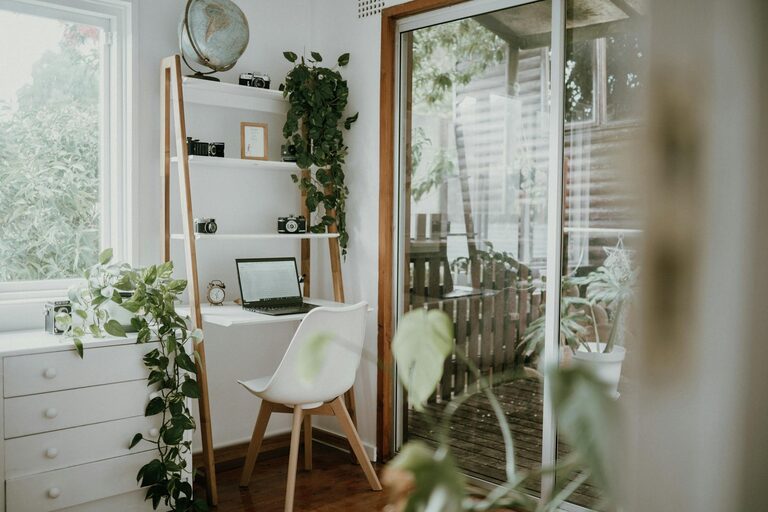
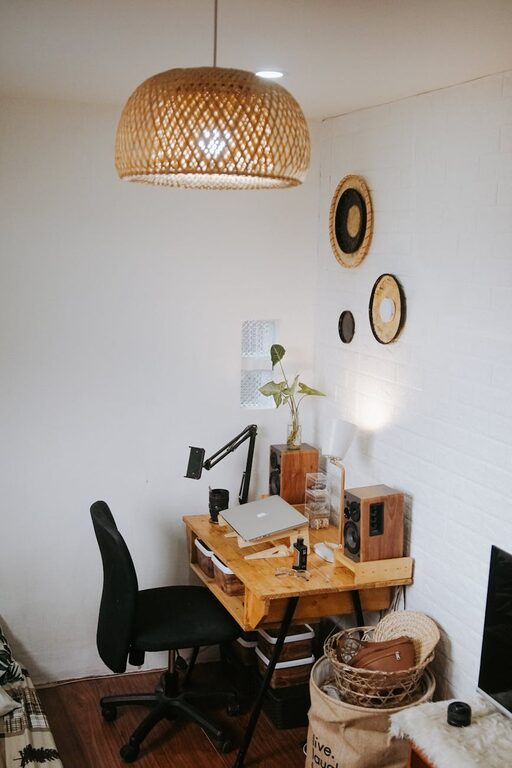
If space is limited, consider a corner in your living room or bedroom. Using room dividers or shelves can help separate your work area from the rest of your home, creating a psychological boundary between work and leisure.
Invest in Comfortable and Functional Furniture
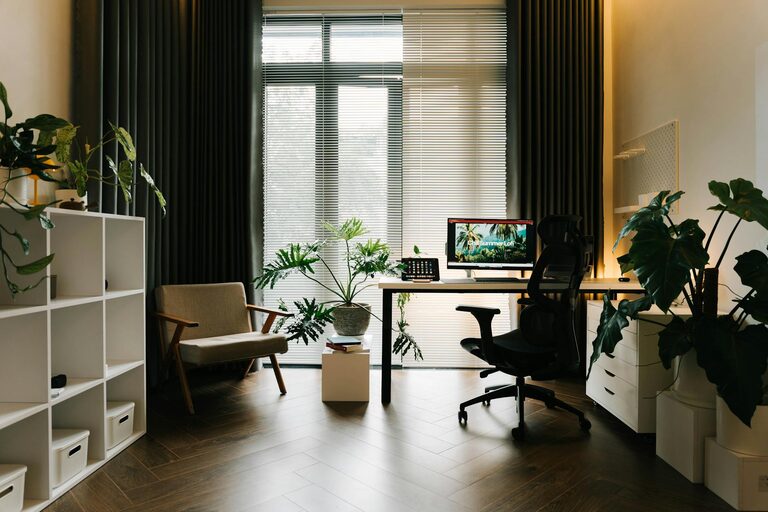
Your comfort directly affects your productivity. Invest in an ergonomic chair that provides proper support for your back, especially if you spend long hours working. Pair this with a desk at the right height to keep your arms and wrists in a comfortable position.
If your budget allows, consider a sit-stand desk to change your posture throughout the day. This can help reduce fatigue and boost circulation. Make sure there is enough surface area to accommodate your computer, notebooks, and other essentials without clutter.
Maximize Lighting for Comfort and Focus
Lighting is a critical factor in any workspace. Natural light is ideal, but it’s important to avoid glare on your screen. Position your desk perpendicular to windows if possible.
Supplement natural light with artificial options like adjustable desk lamps or overhead lighting. Warm-toned bulbs create a cozy atmosphere, while daylight bulbs keep you alert and focused. Dimmable lights offer flexibility depending on the time of day and tasks at hand.
Organize Your Space to Reduce Clutter
A tidy workspace promotes a clear mind. Use shelves, drawers, and storage boxes to keep papers and office supplies organized. Label containers so you can easily find what you need.
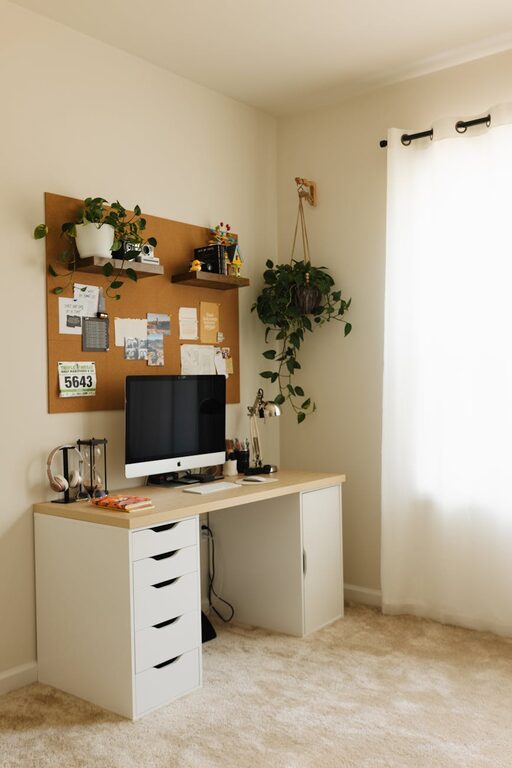
Cable management solutions such as clips or covers can prevent cords from tangling and make your desk look neater. A bulletin board or whiteboard nearby helps keep track of important deadlines and to-do lists.
Personalize Your Office for Inspiration
Add personal touches that make your office feel inviting. This can include artwork, plants, or photos that inspire you. Plants not only add a splash of green but also improve air quality and create a calm environment.
Choose colors and decorations that suit your taste but avoid overly distracting elements. A well-decorated space can increase happiness and motivation during work hours.
Create a Routine and Boundaries
To maintain productivity, establish clear work hours and stick to them. Having a dedicated space to “go to work” helps signal your brain when it’s time to focus and when to relax.
Communicate your schedule to family or housemates to minimize interruptions. At the end of the day, shut down your computer and tidy your workspace to mark the end of your workday.
Incorporate Break Areas and Movement
Even in a small home office, try to include a spot for short breaks. This could be a comfortable chair nearby or even a small corner with a yoga mat for stretching.
Regular movement is essential for physical and mental health, so set reminders to stretch or walk around periodically. This practice helps maintain energy levels and reduces the strain of sitting too long.
Use Technology Wisely
Equip your home office with technology that enhances your workflow. A reliable internet connection and quality headset make virtual meetings smoother. Tools like noise-canceling headphones can help block distractions, especially in busy households.
Keep your software up to date and organized. Use productivity apps or planners to manage tasks and deadlines efficiently.
Keep it Flexible
Your needs may change over time, so design your home office with flexibility in mind. Modular furniture and movable storage allow you to reconfigure the space as necessary. Being adaptable makes it easier to stay comfortable and productive during extended periods of home working.
—
By carefully selecting your location, furniture, lighting, and decorations, along with establishing boundaries and organisation habits, you can create a home office that is both cozy and conducive to getting work done. A well-thought-out workspace encourages focus while making your day a little more enjoyable. Start with these tips and adjust to find what works best for your unique situation.
About the Author