
Creating a relaxing home workspace is essential for boosting productivity and maintaining a healthy work-life balance. Whether you work remotely full-time or occasionally, your environment significantly impacts your focus, efficiency, and well-being. In this post, we’ll explore practical tips to help you design a calming and productive home office.
Why a Relaxing Workspace Matters
When your workspace feels inviting and stress-free, you’re more likely to stay motivated and complete tasks efficiently. A cluttered, uncomfortable, or noisy space can lead to distractions and burnout. By implementing some thoughtful changes, you can create an environment that supports concentration and reduces tension.
Choose the Right Location
Find a Quiet Spot
Select a space with minimal noise and foot traffic. This could be a separate room, a quiet corner, or even a nook by a window. Avoid areas near the TV or busy kitchen to limit distractions.
Maximize Natural Light
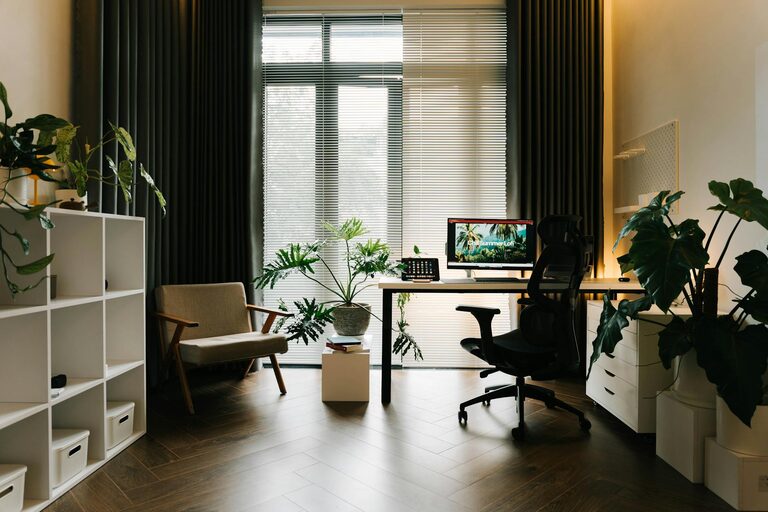
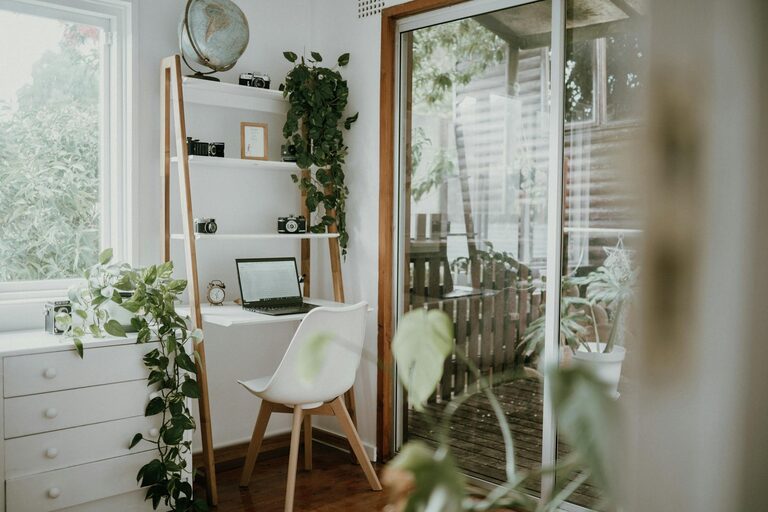
Position your desk near a window to benefit from natural light. Sunlight helps regulate your body clock and boosts mood and alertness. If natural light is limited, consider using daylight bulbs to mimic its effect.
Invest in Comfortable Furniture
Ergonomic Chair
Your chair is key to comfort. Choose one that supports your lower back and encourages good posture. Adjustable height and armrests help you find the perfect fit.
Functional Desk
Pick a desk that provides enough space for your computer, paperwork, and accessories. If possible, consider a sit-stand desk to alternate between sitting and standing throughout the day.
Organize for Efficiency and Calm
Declutter Regularly
Keep your workspace tidy by removing unnecessary items. A clean desk can make you feel more in control and less stressed.
Use Storage Solutions
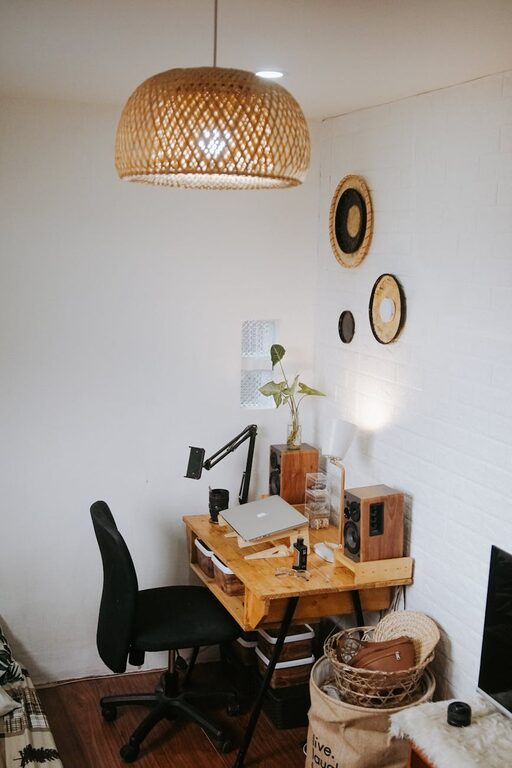
Implement shelves, drawers, or boxes to organize office supplies and documents. Label containers to quickly find what you need without creating a mess.
Cable Management
Tidy cables using clips or organizers to avoid chaos around your desk. A neat setup helps maintain focus and reduces frustration.
Personalize Your Space Mindfully
Add Plants
Indoor plants improve air quality and create a soothing atmosphere. Choose low-maintenance varieties like succulents or snake plants.
Incorporate Calming Colors
Colors influence mood. Soft blues, greens, or neutrals promote relaxation, while overly bright or dark shades could be distracting or heavy.
Display Inspirational Items
Use a few meaningful objects, such as photos, art, or quotes, to motivate you. Avoid overcrowding your desk to keep the balance between inspiration and clutter.
Control Noise and Distractions
Use Noise-Cancelling Headphones
If external noise is unavoidable, headphones can help maintain concentration during work hours.
Play Background Music or Sounds
For some, soft instrumental music or nature sounds like rain or waves can enhance focus and reduce stress. Experiment to find what works best for you.
Set Boundaries with Household Members
Clearly communicate your work schedule and workspace boundaries to those sharing your home. This helps minimize interruptions during critical tasks.
Optimize Lighting and Screen Settings
Adjust Artificial Lighting
Use desk lamps with adjustable brightness to reduce eye strain. Avoid harsh overhead lights or glare from screens.
Configure Screen Settings
Lower blue light exposure by using night mode or screen filters, especially in the afternoon and evening. This helps avoid fatigue and supports better sleep.
Incorporate Movement and Breaks
Schedule Regular Breaks
Step away from your desk every hour to stretch, walk, or relax your eyes. Short breaks can improve focus and reduce burnout.
Add Movement-Friendly Items
Consider a small balance board or under-desk pedal machine to stay active during work.
Maintain a Consistent Routine
Establish start and end times for your workday to create structure. A routine helps separate work time from personal time, reducing stress and increasing productivity.
—
By applying these tips, you can transform your home workspace into a relaxing environment that supports your productivity and overall well-being. Remember, small changes can make a big difference in how you work and feel throughout the day.
About the Author